

Only a fraction of facts makes it into the story
Editorial decisions determine which facts are treated as representative while the rest remain outside the version of events that reaches the public.
Media analyzes how journalism, creators, podcasts, newsletters, sponsored content and public commentary affect reputation. This section looks at how stories are framed, why some narratives become more influential than company explanations, and how media attention changes the way audiences, investors, employees and partners evaluate a brand. It is focused on reputation through media exposure, public interpretation and editorial power, not generic PR advice.
Editorial decisions determine which facts are treated as representative while the rest remain outside the version of events that reaches the public.

Narratives emerge from selection ordering and framing that turn scattered events into a coherent and repeatable interpretation.

Articles persist not because they are recent but because they remain useful supported by media authority search behavior and continued citation
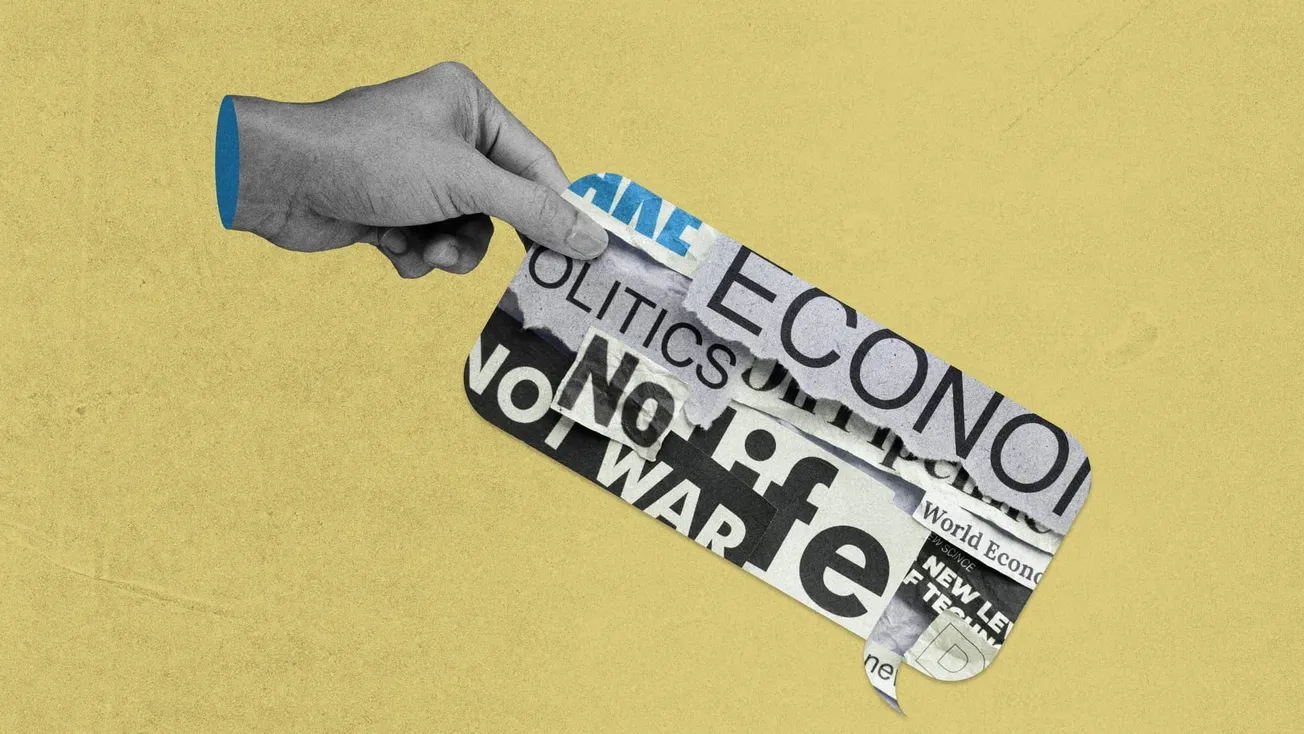
Media does not reflect everything that happens to a company. It selects which events become public, credible, and repeatable across search, platforms, and stakeholder decisions.