

YouTube can mark corporate videos as AI
Automatic detection and C2PA metadata can attach an AI label before a company has chosen to make that disclosure itself.
Platforms covers the review sites, app stores, social networks, forums, workplace platforms and closed communities where reputation is increasingly evaluated outside company control. This section examines Trustpilot, Reddit, Glassdoor, LinkedIn, YouTube, App Store reviews and similar environments as places where trust is built, challenged and preserved.
Automatic detection and C2PA metadata can attach an AI label before a company has chosen to make that disclosure itself.

Engagement pods, automated comments and generic AI posts can now cut distribution on the same executive accounts agencies are paid to grow.

Brands chasing AI visibility through disguised community activity risk leaving a searchable record of manipulation.

Its AI search can pull years-old threads into present-day answers, extending the usable life of consumer criticism.

A strong TrustScore can coexist with an AI summary that gives prominent treatment to recurring complaints in recent reviews.

Identity, workplace and provenance checks establish parts of the publishing chain, while the underlying statement still requires independent evidence.

Attackers can copy product names, documentation and release histories, making GitHub a surface companies must police like domains and app stores.

Identity, employer and education checks now shape how profiles are trusted before their work, claims or arguments are read.

Community Notes can attach a second layer of context to company statements, turning missing facts into the version readers remember.

The badge may signal early attention, but the thread preserves maker replies, user objections and launch-day promises that can later test the company’s reputation.
Support replies, roadmap hints, founder comments and deleted threads now shape the evidence outsiders use to judge whether a company was clear, consistent and accountable.

In AI and SaaS, release notes document pricing shifts, model limits, API cutoffs, and removed features that customers can cite later.

Security centers, policy hubs, status pages, and compliance portals increasingly function as independent credibility systems rather than supporting website content.
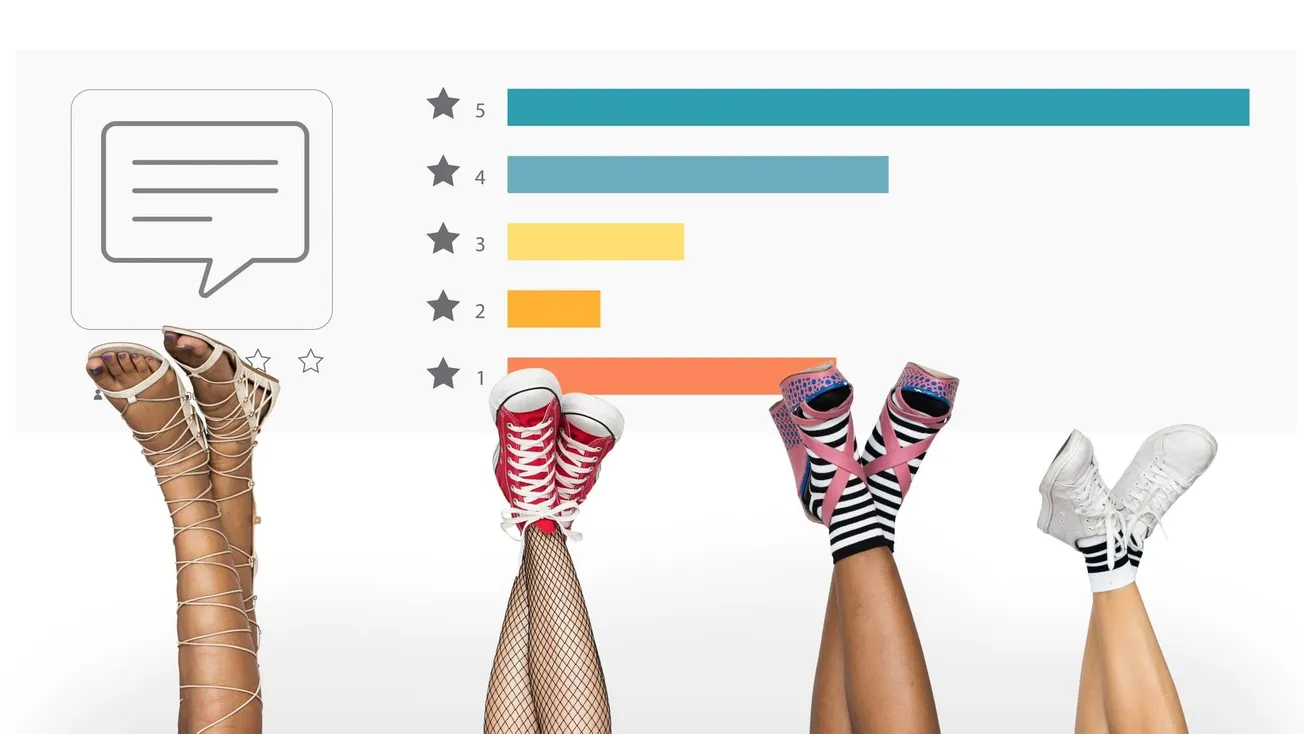
Company replies written to reassure customers are increasingly being interpreted by AI systems as additional signals about the underlying complaint.

Most review systems disproportionately capture feedback from users emotionally motivated to post, not from the broader customer base companies believe they are measuring.

Private Telegram channels, Discord servers, and closed industry chats increasingly shape institutional judgment before public coverage appears.