

ContentRemoval.com review
Its public terms separate standard project work from qualifying success-based items, making the written proposal central to when fees are due.
Content removal covers how harmful, false, outdated or reputation-damaging material is challenged, removed, deindexed or reduced in visibility. This section examines content takedown requests, platform enforcement, defamation risk, right-to-erasure claims, fake reviews, search results, social platforms and the practical limits of removing harmful online content.

Litigation intended to suppress criticism increasingly attracts more attention, stronger media incentives, and longer search visibility than the criticism itself.

Businesses can increasingly document coordinated attacks. Translating informational damage into court-accepted financial losses remains far more difficult.

Search removals increasingly fail to prevent language models from reproducing reputational associations learned before the content disappeared from visibility.

A guide to how harmful online content is realistically removed, challenged, or suppressed in practice.

Regulators can pressure visible businesses, but the offshore networks producing synthetic reviews remain fragmented, disposable, and largely unreachable.

Modern reputational attacks increasingly avoid liability by relying on implication and subjective framing instead of provable factual claims.

A guide to how organizations build serious defenses against coordinated online attacks.

By the time a claim reaches platforms, visibility is already shaped by systems that do not prioritize legal correctness

AI systems search engines and social platforms replicate and reinterpret the same issue turning a single source into a distributed reputational problem.

Content circulates indexes and shapes perception long before formal action becomes capable of producing visible change.

Courts review disputes through law while review, social and search services act through policy scale and operational constraints.

Online content crosses borders instantly while enforcement remains limited by jurisdiction service structure and local legal reach.
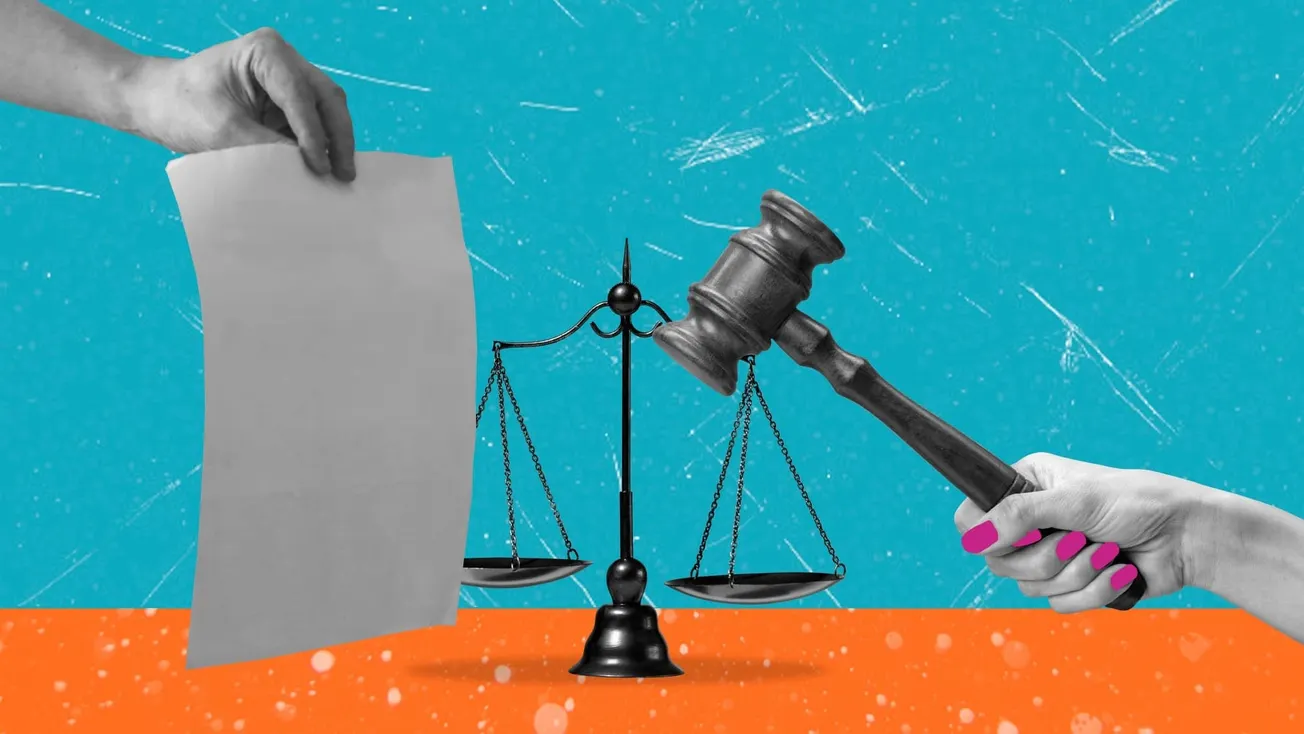
Court decisions, platform actions and settlements often change the record without fully removing content from search, media and public circulation.
Independent reporting, analysis and practical guidance on reputation management, online reputation, AI search, crisis communications and reputation technology.