

AI copy is appearing under executive names
Opinion columns can be cited as a leader’s judgment even when the company cannot show how much came from the executive, advisers or a model.

Marielle Vast covers media, platforms and crisis response, tracking how reputational events move from isolated incidents into public tests of institutional trust.
Opinion columns can be cited as a leader’s judgment even when the company cannot show how much came from the executive, advisers or a model.

A contained incident can turn more damaging when records show who softened disclosure, delayed notice or narrowed the scope.

AI-assisted articles can move into search, diligence and AI answers while hiding whether the claim came from reporting, automation or model output.

Customers do not blame the database, cloud provider or payment processor. They blame the company that took their money, data and trust.

Identity, employer and education checks now shape how profiles are trusted before their work, claims or arguments are read.

One fabricated authority can move from a single quote into articles, search and AI answers, turning invented expertise into a lasting reputational problem.
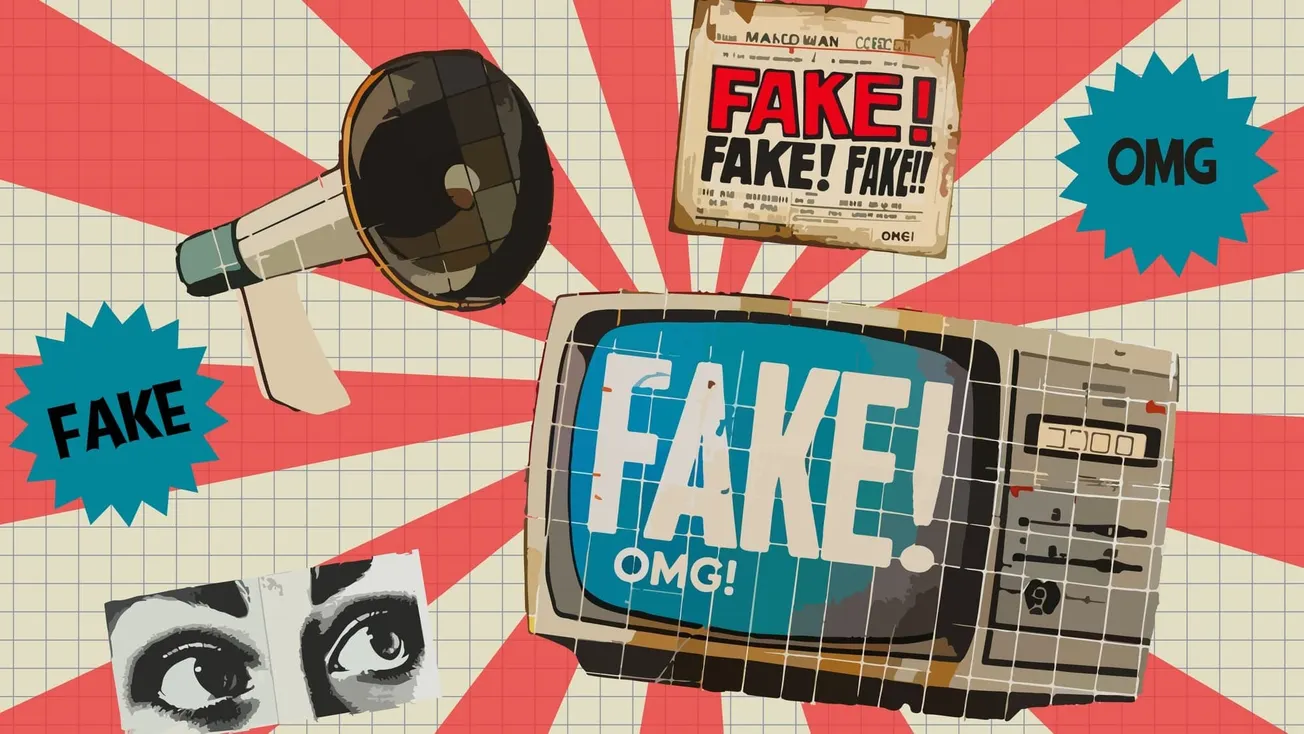
Companies facing synthetic video, audio or statements need the authentic record, official channel and a verification path.

Community Notes can attach a second layer of context to company statements, turning missing facts into the version readers remember.

A strong column can make leadership sound intelligent, but it weakens trust when it avoids the question buyers, investors, users or employees already need answered.

A serious incident turns technical failure into a public test of whether leadership can name the harm, organize the repair and make accountability credible.

The badge may signal early attention, but the thread preserves maker replies, user objections and launch-day promises that can later test the company’s reputation.

Companies often turn media coverage into validation, even when the article itself gives buyers, investors, candidates and AI systems reasons to doubt the business.

A company may describe itself through brand language, PR, leadership statements, and trust pages. Stakeholders test that version against reviews, search, media, employees, users, legal records, and AI.
A practical guide to writing crisis FAQs that answer real stakeholder questions and include a working template for active incidents

A founder narrative can create belief faster than the business can substantiate it, turning personal mythology into a reputational burden for the institution behind it.

A guide to auditing old PR pages, bios, releases and media assets before search and AI systems turn them into reputation evidence.