

Why negative search results dominate Google
Negative search results align more closely with how Google ranks content - attracting more attention, accumulating more references, and remaining visible for longer.
Negative search results align more closely with how Google ranks content - attracting more attention, accumulating more references, and remaining visible for longer.

Narratives emerge from selection ordering and framing that turn scattered events into a coherent and repeatable interpretation.

Defamation law offers a remedy for certain false and harmful statements, but most negative content falls outside its scope due to legal thresholds, defenses, and limits on liability.

Crisis emerges when isolated incidents become evidence of a pattern - and multiple systems begin to reinforce the same interpretation.
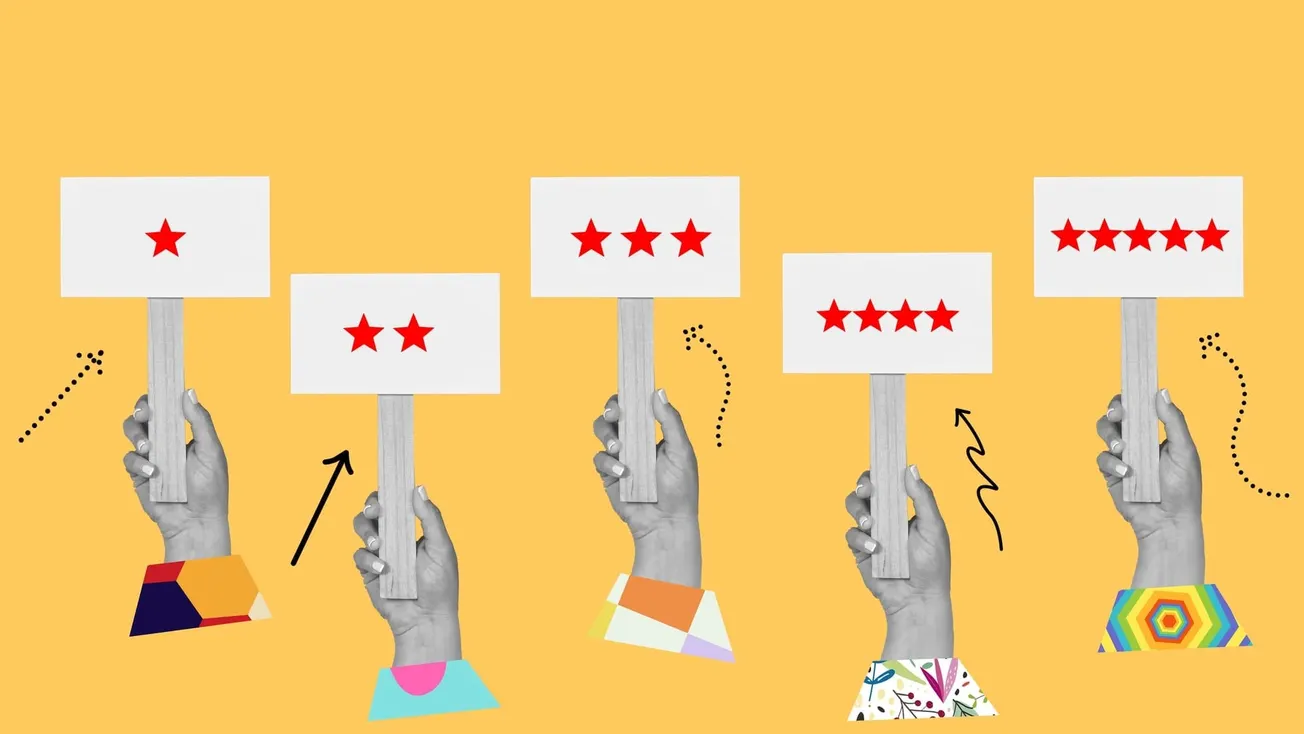
Review platforms do not remove content based on fairness or accuracy alone. They rely on narrow policy rules, making most disputed reviews difficult to delete.

Negative content persists not because it is uncontrolled, but because it consistently generates traffic, authority, and engagement across digital systems.

Articles persist not because they are recent but because they remain useful supported by media authority search behavior and continued citation
Reputation online is governed by overlapping legal systems - defamation, platform liability, privacy, and content takedown rules - each with different thresholds and limits.

In the early phase of a crisis fragmented information begins to align across media platforms and stakeholders shaping how the situation is understood.

Review platforms do not simply collect feedback. They rank, filter, and structure it, turning individual experiences into visible patterns that shape trust and decision-making.

The reputation management industry is typically described through what is easiest to observe: search results, media coverage, and crisis response. That description captures its outputs, not its function.

Google compresses large volumes of information into a limited set of visible results, defining which sources become reference.

Media does not reflect everything that happens to a company. It selects which events become public, credible, and repeatable across search, platforms, and stakeholder decisions.