
M&A can transfer hidden trust debt
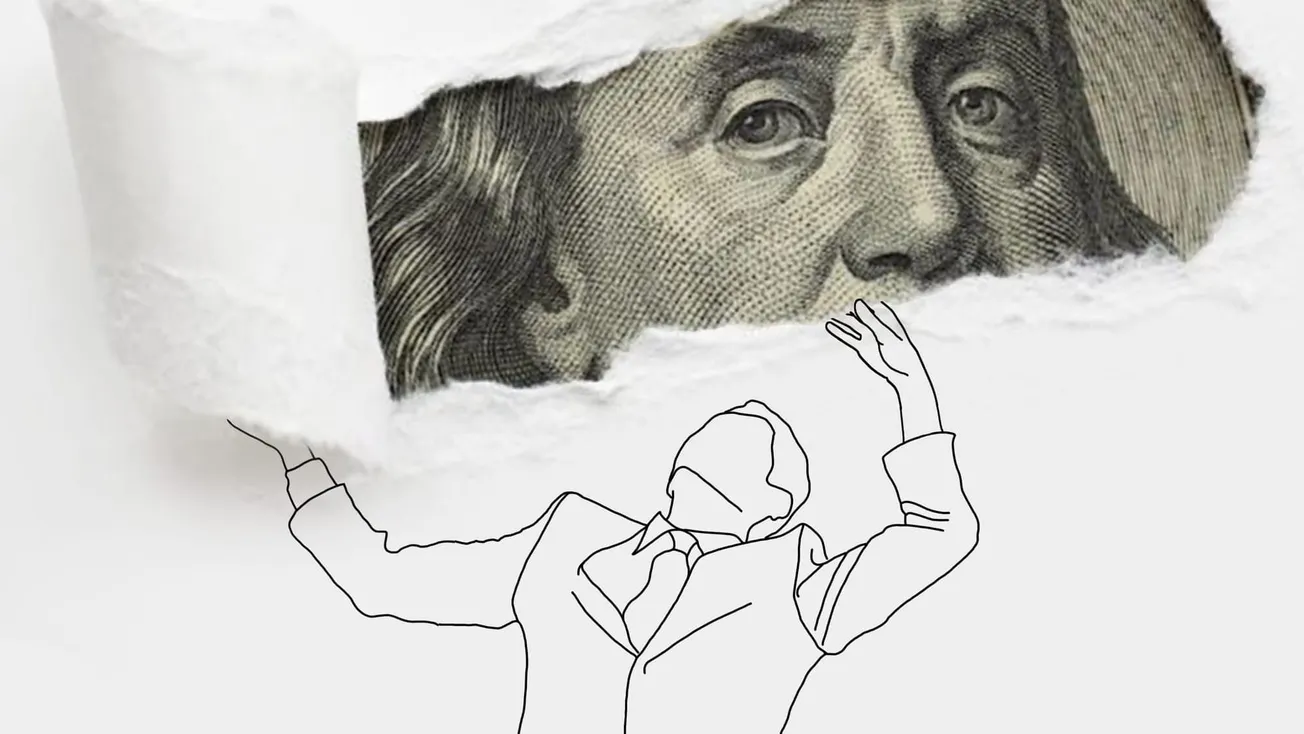
Reputation risk in M&A is the risk that a buyer acquires a public-trust liability that was not fully priced into the transaction.
Where the risk can sit
Founder search results, employee complaints, customer review patterns, unresolved media coverage, litigation residue, social allegations, regulatory history, controversial customers, culture problems and AI-generated summaries.
A transaction does not transfer only assets. It transfers the public record attached to those assets.
By the time the market sees reputation as a communications issue, the deal team has already made an economic decision about it.The risk is economic before it is public
Reputation risk can change valuation, financing, warranties, indemnities, escrow, earnouts, closing conditions, integration cost, customer retention, employee confidence, board approval and regulatory posture.
Some hidden trust debt can be removed, corrected, negotiated, deindexed, suppressed, contextualized or diluted through stronger evidence. Some has to be priced. Some has to be carved into deal protection. Some has to be absorbed through post-close operating discipline.
The buyer acquires the public memory of the asset
Deal teams are good at modeling the business the seller wants to sell: revenue, margins, customer concentration, debt, contracts, tax exposure, IP, litigation, retention, compliance and operations. Those materials matter, but they do not fully describe the asset the buyer will own after close.
The data room has order
It arranges the target through categories legal, finance and strategy teams know how to review.
The public record has memory
Old press, lawsuits, reviews, employee commentary, forum threads, regulatory mentions and stale profiles may tell another story.
The announcement adds attention
Employees, customers, journalists, competitors, regulators, partners and AI tools all receive a reason to inspect the target.
Reputation risk enters price before it enters press
Reputation risk rarely appears in the model under its own name. It enters through adjacent labels: customer retention risk, management risk, integration risk, regulatory risk, employee attrition risk, litigation uncertainty, brand transition cost, revenue durability, key-person dependency or go-to-market friction.
Customer complaints
Recurring complaints can suggest churn, refund exposure, weak loyalty or higher support cost.
Founder exposure
A valuable but risky founder can change earnout design, role structure, visibility and retention planning.
Unresolved media
Old allegations can require announcement planning, indemnity protection, holdbacks or cleanup before public attention returns.
The data room does not contain the whole company
Search results can preserve a narrative management considers obsolete. Employee platforms can show distrust that internal surveys missed. Reviews can reveal product friction hidden by revenue growth. Reddit threads can describe workarounds, complaints or customer anger in more specific terms than management reporting.
AI summaries can connect the company to old issues that no longer appear in the seller’s story. These sources are not always accurate, but they show how the target may be interpreted by audiences whose behavior affects the transaction.
Where reputation risk enters deal economics
A reputational liability that changes escrow, earnout, retention or closing conditions is not a soft issue.
| Economic area | How reputation risk appears | Deal response |
|---|---|---|
| Valuation | Recurring customer distrust, founder baggage, employee hostility or media residue weakens the buyer’s confidence in future performance. | Lower multiple, revised growth assumptions or pricing adjustment. |
| Financing | Lenders or investors see public evidence that makes the asset look less stable than the seller’s story suggests. | Higher diligence burden, financing conditions or additional disclosure. |
| Warranties | Public issues sit near legal, customer, compliance, employee or management representations. | Specific reps, disclosure schedule expansion or narrowed risk allocation. |
| Escrow and indemnity | Known public issues may generate post-close cost, claims, customer churn or legal attention. | Holdback, specific indemnity, escrow expansion or special covenant. |
| Earnout | A founder or management team is commercially valuable but reputationally exposed. | Role limits, visibility rules, performance conditions or conduct triggers. |
| Integration budget | Employee distrust, review weakness, customer uncertainty or legacy search problems create operating cost after close. | Dedicated reputation integration plan and budgeted remediation work. |
| Closing conditions | A correctable public issue could affect announcement, approval or stakeholder confidence. | Pre-signing cleanup, seller remediation or condition precedent. |
Founder risk is concentration risk
Founder-led companies create a specific M&A problem because the founder is often both asset and liability. The founder may hold customer trust, product vision, employee loyalty, investor confidence and market narrative. Their reputation may help justify the premium. The same concentration can make the transaction fragile.
Keeping the founder
Continuity may protect customers, employees and product confidence, but it can carry public exposure if the founder’s record is unstable.
Removing the founder
The buyer may reduce reputational exposure while damaging morale, customer continuity or the acquisition thesis.
Title, visibility, compensation, board seat, lock-up, public messaging and internal authority all send signals about what the buyer believes it acquired.
The announcement creates a new search event
An M&A announcement is not only a disclosure. It gives audiences a reason to inspect both parties at the same time. The target’s old problems become relevant because they now attach to a larger institution.
- A lawsuit that did not matter commercially when the target was small can matter when a public company buys it.
- A founder controversy inside a niche community can receive broader attention once the deal is covered.
- Employee complaints with limited visibility can matter when integration begins.
- Customer reviews that were local can matter when the buyer announces a national expansion thesis.
Announcement planning should begin before signing, not after the press release is drafted.
AI summaries now perform synthetic diligence
AI systems can summarize the target for stakeholders who would previously have scanned search results manually. The answer may be incomplete, stale or overconfident, but it can still shape the first frame.
Thin records are exposed
Weak owned content, inconsistent entity data, outdated profiles and a few strong negative assets can produce plausible distortion.
Stakeholder prompts matter
Buyers should test questions about reliability, litigation, founder controversy, employee trust, customer complaints and comparison risk.
Patterns matter more than one answer
Repeated associations with billing complaints, regulatory exposure or unresolved litigation should be classified before announcement.
Reps and warranties struggle with reputational facts
Traditional deal protections work best when the risk can be expressed as a legal, financial, operational or disclosure matter. Reputation risk often resists clean drafting because the relevant facts may be public but underweighted, informal but credible, old but still visible, accurate but incomplete, or not legally actionable but commercially damaging.
Disclosure can be technically complete
A seller may disclose litigation while the search result still shapes the asset through old allegations.
Public evidence can still be underpriced
Employee commentary, review patterns and AI summaries may create commercial risk without clean legal breach.
The answer is risk translation
Decide whether the issue belongs in price, escrow, indemnity, covenant, integration plan or walk-away analysis.
Reputation due diligence has to separate noise from price
Not every negative source deserves valuation impact. Some criticism is ordinary. Some reviews are fake. Some articles are outdated. Some social commentary is unserious. Some legal records are procedural artifacts with little commercial significance.
A reputational issue becomes deal-relevant when it changes cost, timing, trust, control or optionality.
The post-close period converts reputation into operating cost
Some reputation risks do not fully materialize until after close. Integration creates new surfaces for old distrust. Employees compare promises with behavior. Customers test whether service changes. Journalists look for layoffs, pricing changes, culture conflict or strategic contradictions. Competitors exploit uncertainty.
Customer support
Volume rises because customers are unsure about policy changes or legacy complaints.
Sales cycles
Prospects ask about the acquisition, old issues or future service risk.
Hiring
Candidates worry about culture, layoffs, leadership trust or integration stability.
Search and AI
Old associations can remain while the buyer tries to introduce the new company story.
Reputation integration should sit beside systems, people, finance, product, brand and reporting integration.
Reputation cleanup belongs before signing
The most useful cleanup window is before signing. The buyer still has leverage, the seller has incentive and the issue can be handled with less public attention.
- False or defamatory content can be challenged.
- Outdated profiles can be updated.
- Duplicate business listings can be consolidated.
- Inaccurate executive bios can be corrected.
- Old legal records can be contextualized where possible.
- Review fraud can be disputed.
- Search assets can be strengthened.
- Founder history can be clarified.
- AI summaries can be tested for recurring errors.
The buyer does not need a fantasy of perfect cleanup. It needs a realistic map of which trust liabilities can be reduced before the asset changes hands.
The M&A reputation risk timeline
The timeline prevents a common failure: waiting until the transaction is public to ask what the public can already find.
| Deal stage | Reputation risk question | Required action |
|---|---|---|
| Screening | Does the target carry visible public-trust debt? | Run search, media, review, founder and AI checks before valuation hardens. |
| LOI | Which issues could change price, structure, diligence scope or seller obligations? | Flag founder risk, review patterns, public legal records and announcement vulnerabilities. |
| Diligence | What is noise, what is priceable, and what requires protection? | Translate reputation findings into valuation, escrow, indemnity, warranty, covenant or integration terms. |
| Pre-signing | Which issues can be reduced while the buyer still has leverage? | Pursue corrections, profile updates, entity cleanup, review disputes and issue-context preparation. |
| Announcement | What will stakeholders find first once attention returns? | Prepare media Q&A, employee messaging, customer reassurance and AI/search response materials. |
| Post-close | Which old trust liabilities now belong to the buyer? | Run reputation integration across search, reviews, bios, legal context, AI summaries and public pages. |
Reputation risk by stakeholder
Reputation risk is economically meaningful when someone can act on it.
| Stakeholder | What they may find | Deal consequence |
|---|---|---|
| Customers | Review patterns, service complaints, pricing disputes, product failures or acquisition uncertainty. | Churn, renegotiation, support pressure or lower renewal confidence. |
| Employees | Leadership distrust, culture complaints, compensation concerns or founder controversy. | Attrition, leaks, lower morale or integration resistance. |
| Journalists | Old allegations, unresolved media frames, founder history or contradictions in deal messaging. | Sharper coverage, renewed scrutiny or public questions for the buyer. |
| Regulators | Regulatory mentions, consumer complaints, public legal records or compliance history. | Harder questions, slower approval or additional disclosure pressure. |
| Investors and lenders | Revenue-quality doubts, management risk, public-trust liabilities or integration exposure. | Financing friction, valuation pressure or board-level concern. |
| Competitors | Customer complaints, founder controversy, weak review clusters or old media material. | Sales attacks, talent poaching, narrative pressure or customer doubt. |
Reputation risk is not always a reason to walk away
The best buyers do not overreact to reputational problems. They classify them. Some risks are legacy artifacts with limited current relevance. Some are easily corrected. Some are already priced by the market. Some can be solved through governance, leadership change, customer communication or brand transition.
Price dislocation
The market may over-penalize an asset for stale controversy that a disciplined buyer can repair.
Hidden weakness
A clean surface may mask fragile customer trust or employee distrust that will cost more after close.
Strategic diligence
The question is whether the buyer understands the risk better than the seller and whether terms reflect that understanding.
A practical reputation due diligence checklist
Public record review
- Search audits for the target, parent entities, old names, products, founders, executives, subsidiaries and reputation modifiers.
- Founder and executive reputation review covering litigation, media, social history, prior ventures, employee claims and AI summaries.
- Media archive review distinguishing current narrative, stale coverage, unresolved allegations and high-authority negative assets.
- Customer review review by platform, location, product, complaint theme, recency and credibility.
- Employee platform review covering leadership trust, culture, compensation, turnover and integration-sensitive issues.
- Legal and regulatory public-record review focused on visible materials, context gaps and post-close exposure.
Deal translation
- Social and forum review identifying repeated language, activist attention, customer communities and competitor-amplified claims.
- AI prompt testing across trust, complaint, founder, lawsuit, employee, customer and comparison prompts.
- Entity data review covering naming consistency, duplicate profiles, legal entities, acquisitions, business categories and executive associations.
- Content removability assessment separating removable, correctable, deindexable, suppressible, contextual and monitor-only assets.
- Deal-term translation showing which risks affect price, warranties, indemnities, escrow, earnout, integration or communications.
- Post-close reputation integration plan covering search, reviews, executive visibility, employee messaging, customer reassurance and media response.
The checklist should produce deal judgment: what the buyer is inheriting, what can be fixed, what must be priced, what must be protected and what could still surprise the board after announcement.
Common failures in M&A reputation risk
Treating reputation as PR rather than asset quality
Communications can manage announcement language, but they cannot change the fact that a buyer overpaid for customer distrust, founder baggage or employee hostility.
Relying on legal disclosure alone
Legal diligence is essential, but not all reputational issues are legal claims. A pattern can be commercially serious without litigation.
Ignoring timing
A negative asset that is manageable before signing can be explosive after announcement. A routine correction can look defensive once public attention returns.
Assuming integration will erase perception
New ownership can help, but it can also revive old scrutiny. Integration does not erase public memory. It has to work through it.
Reputation risk in M&A FAQ
What is reputation risk in M&A?
Reputation risk in M&A is the risk that a merger, acquisition, investment or strategic transaction carries public-trust liabilities that affect valuation, deal terms, financing, announcement strategy, stakeholder confidence, integration or post-close performance. It can include founder reputation, media coverage, employee complaints, customer reviews, litigation residue, regulatory history, social allegations, search results and AI summaries.
How does reputation risk affect M&A valuation?
Reputation risk can reduce valuation when it weakens customer retention, management credibility, employee stability, regulatory comfort, brand trust or post-close integration confidence. It may appear as a lower multiple, revised earnout, larger escrow, specific indemnity or higher integration budget.
What is reputational due diligence?
Reputational due diligence is the review of public and semi-public trust evidence around a target company, its founders, executives, products, customers, culture, legal history, media profile, review patterns, social visibility, search results and AI summaries. Its purpose is to identify reputation issues that can affect deal value, timing, terms or post-close cost.
Why does founder reputation matter in M&A?
Founder reputation matters because founders often carry customer trust, employee loyalty, product vision, investor confidence, media interest and company culture. A founder’s old disputes, lawsuits, social history, media profile or public contradictions can affect the buyer’s trust position after acquisition.
Can reputation issues stop a deal?
Yes, but many reputation issues do not stop a deal. They may instead change price, terms, escrow, indemnities, earnout structure, announcement planning, integration strategy or post-close governance. The key question is whether the issue affects stakeholder behavior or future economics.
Should reputation cleanup happen before or after signing?
Reputation cleanup should begin before signing where possible. Before signing, the buyer still has leverage and the seller has incentive to correct false information, update profiles, consolidate entities, address review issues, clarify founder history and prepare for announcement risk. After announcement, cleanup can look reactive and attract more scrutiny.
How do AI summaries affect M&A reputation risk?
AI summaries can compress old media, reviews, legal records, founder history and public complaints into short reputational answers. These answers may shape how employees, customers, investors, journalists and partners understand the transaction before they review original sources.
What public sources matter most in M&A reputation risk?
The most important sources usually include branded search results, founder and executive search results, media archives, customer review platforms, employee platforms, legal databases, regulatory records, social discussion, business profiles and AI-generated answers.
The buyer is acquiring the evidence file too
Reputation risk in M&A is not a public-relations problem waiting at the end of the transaction. It is a hidden asset-quality problem that enters price, terms, timing and post-close cost. The buyer is not only acquiring a company. It is acquiring the public evidence through which that company will be judged once the deal gives people a reason to look.
The strongest buyers treat reputation as part of commercial diligence. They identify which issues are noise, which are removable, which are correctable, which are priceable, which require contractual protection and which could impair integration.
The most expensive reputation risk is not the scandal everyone can see. It is the trust liability that looked immaterial until the transaction made it current. Deals create attention, and attention changes the value of old evidence. Buyers that understand this early do not merely avoid embarrassment. They buy more accurately.