

Cleaning weak PR assets before they become AI data
A guide to auditing old PR pages, bios, releases and media assets before search and AI systems turn them into reputation evidence.

Levi Mastarel writes on legal exposure, industry pressure and the fundamentals of reputation, with a focus on where public judgment begins to affect business risk.
A guide to auditing old PR pages, bios, releases and media assets before search and AI systems turn them into reputation evidence.

Companies using AI in support, scoring, moderation and content need a public record that can withstand regulators, users, employees and litigants reconstructing the system from the outside.

In AI and SaaS, release notes document pricing shifts, model limits, API cutoffs, and removed features that customers can cite later.

Companies often invest in reputation management after complaints become visible, while the product mechanics generating those complaints remain unchanged.

Customers may ignore the terms. Companies may design around that inattention. Reputation risk begins when a charge is legally disclosed but publicly reads as unfair.

Companies may gain more influence from AI citations than top rankings as answer engines reshape search visibility and trust.

The real comparison is whether a damaging asset can be moved by rights, incentives, ranking power, platform rules, operations, or AI-readable evidence.

A practical guide to defending legitimacy queries across search, reviews, founder credibility, support docs and AI answers.

Stakeholders increasingly use governance documents to understand how companies allocate risk, authority, accountability, and control.

Rapid growth often creates enough positive feedback to convince companies that trust can be addressed later. By the time the market disagrees, the cost has usually spread across hiring, sales, search, diligence, and stakeholder confidence.

For AI tools, SaaS platforms, fintech products, wellness services, and digital subscriptions, the decisive search increasingly occurs after interest has been created but before credibility has been established.

The failure begins when legal, communications, leadership, support, and operations all wait for someone else to own the first move.

Branded search modifiers and LLM prompts reveal the doubts stakeholders are trying to resolve before those doubts become media narratives, sales objections or board concerns.
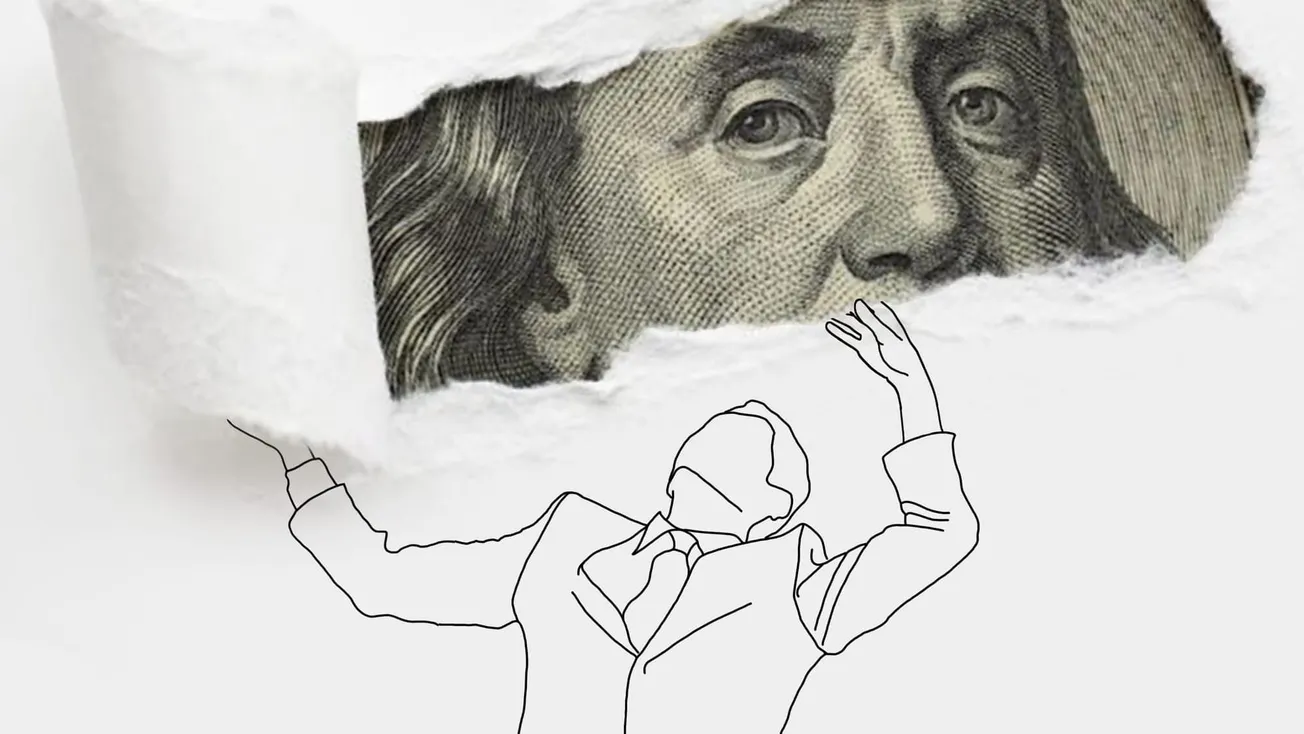
How reputation risk affects M&A valuation, diligence, deal terms, founder exposure, announcement strategy, and post-close cost.

Companies often stop seeing the problems they have learned to explain. Fresh observers still read old coverage, weak search results, reviews and recurring objections as active signals.

The same search result can be a local nuisance, a financing problem, a board concern, or a media liability. Cost rises when reputation damage has already moved from content into business risk.